A Violin Built Today May Still Be Played in 200 Years
We live in a world where most objects are designed to be replaced.
A handmade violin follows a very different logic.
Some instruments made in Cremona centuries ago are still being played today. That is not only a tribute to Stradivari, Guarneri and the great makers of the past. It is also a reminder that a violin can be built with longevity in mind from the very beginning.
In my workshop in Cremona, this idea still matters.
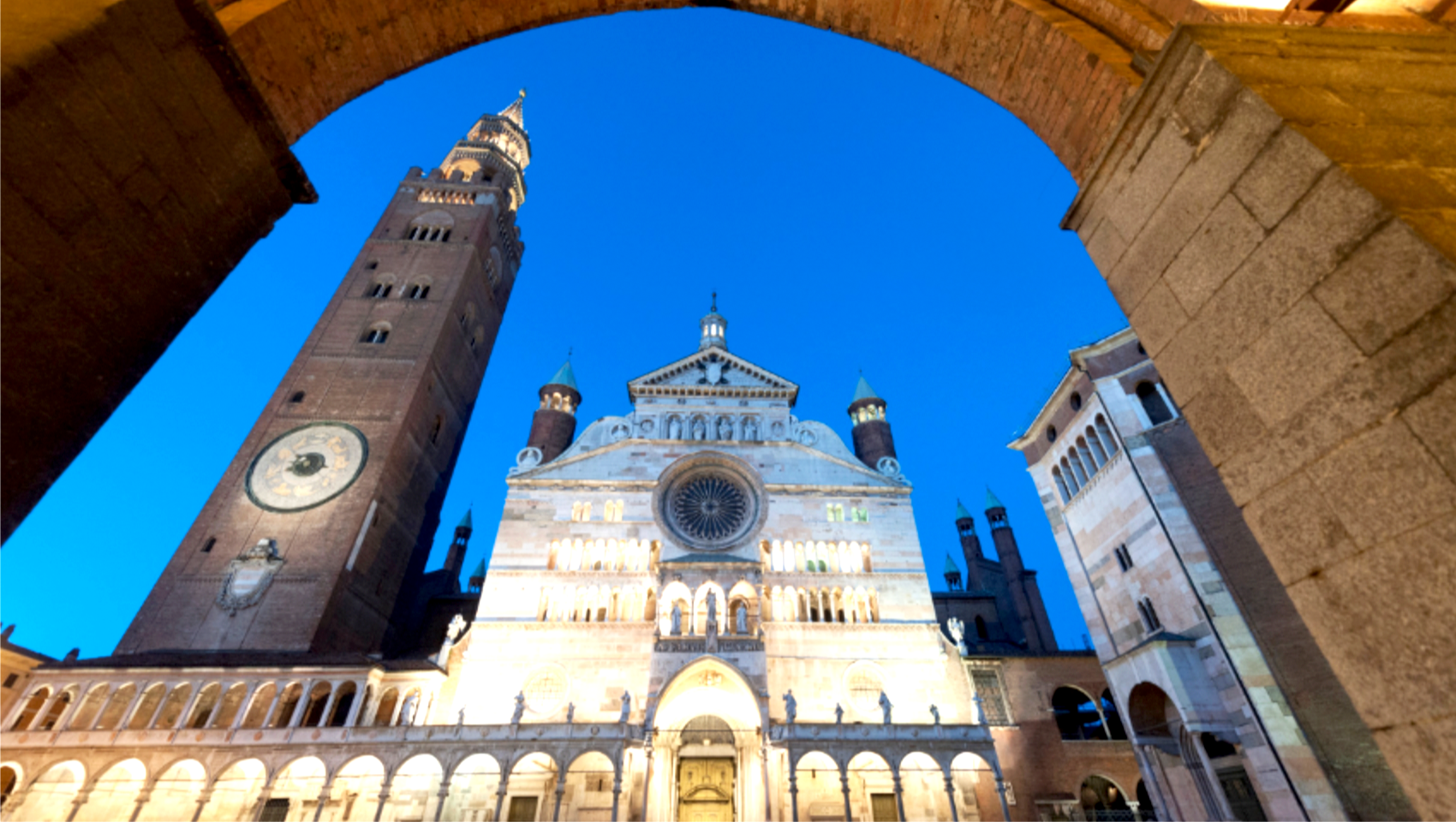
Materials chosen for the future
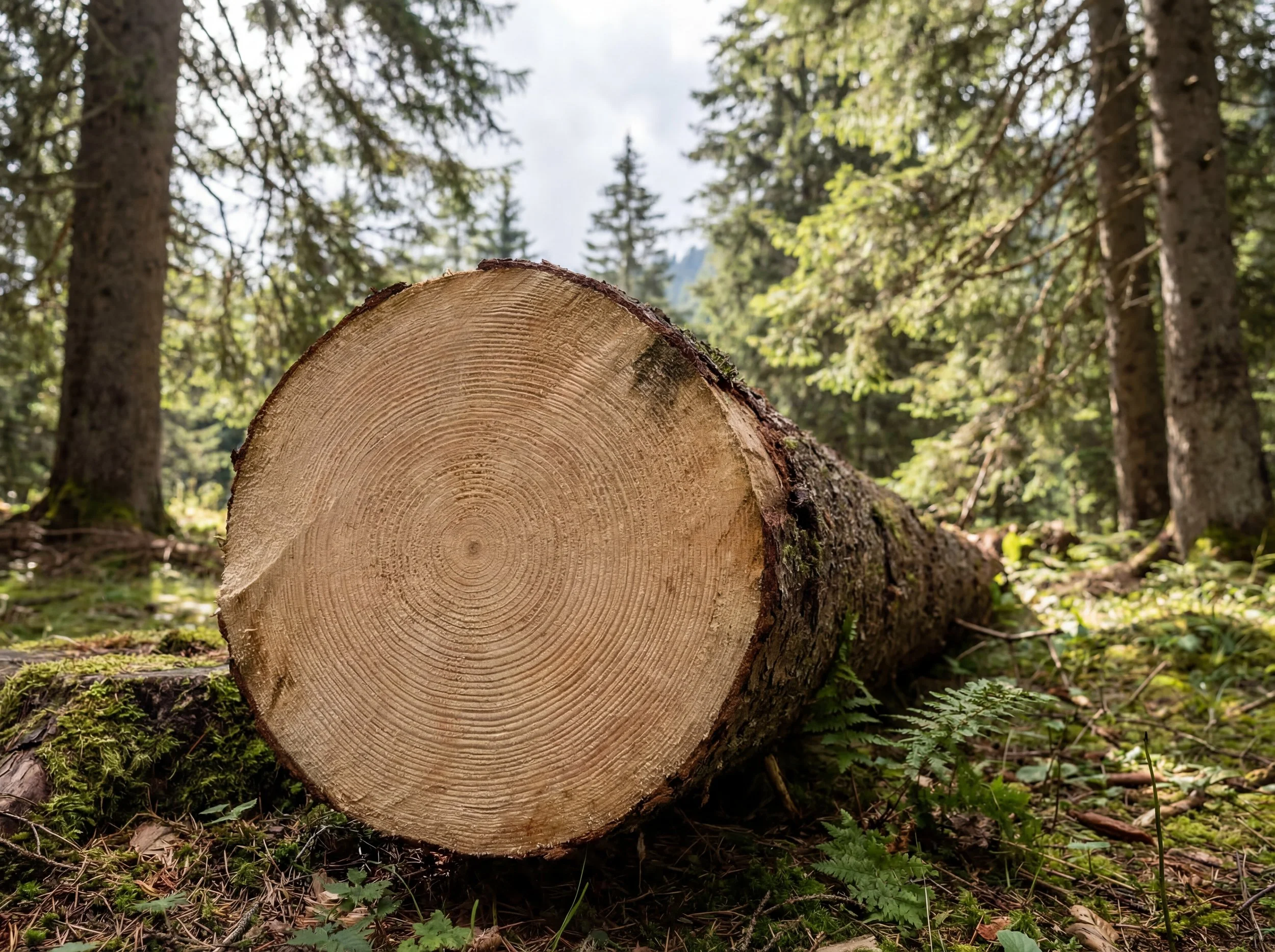
A violin is made from a small number of natural materials: spruce, maple, hide glue and varnish.
What matters is how carefully they are chosen and how they are used.
For my instruments, I work with well-seasoned tonewood and select each piece for its structure, stability and acoustic potential.
The wood will continue to change over time, and the instrument will change with it.
A new violin already has its own voice, but with years of playing and adjustment, that voice can become more complex and personal.
The same is true of varnish.
It should protect the wood without preventing it from vibrating freely, and it should be able to age naturally together with the instrument.
Built to be repaired, not replaced
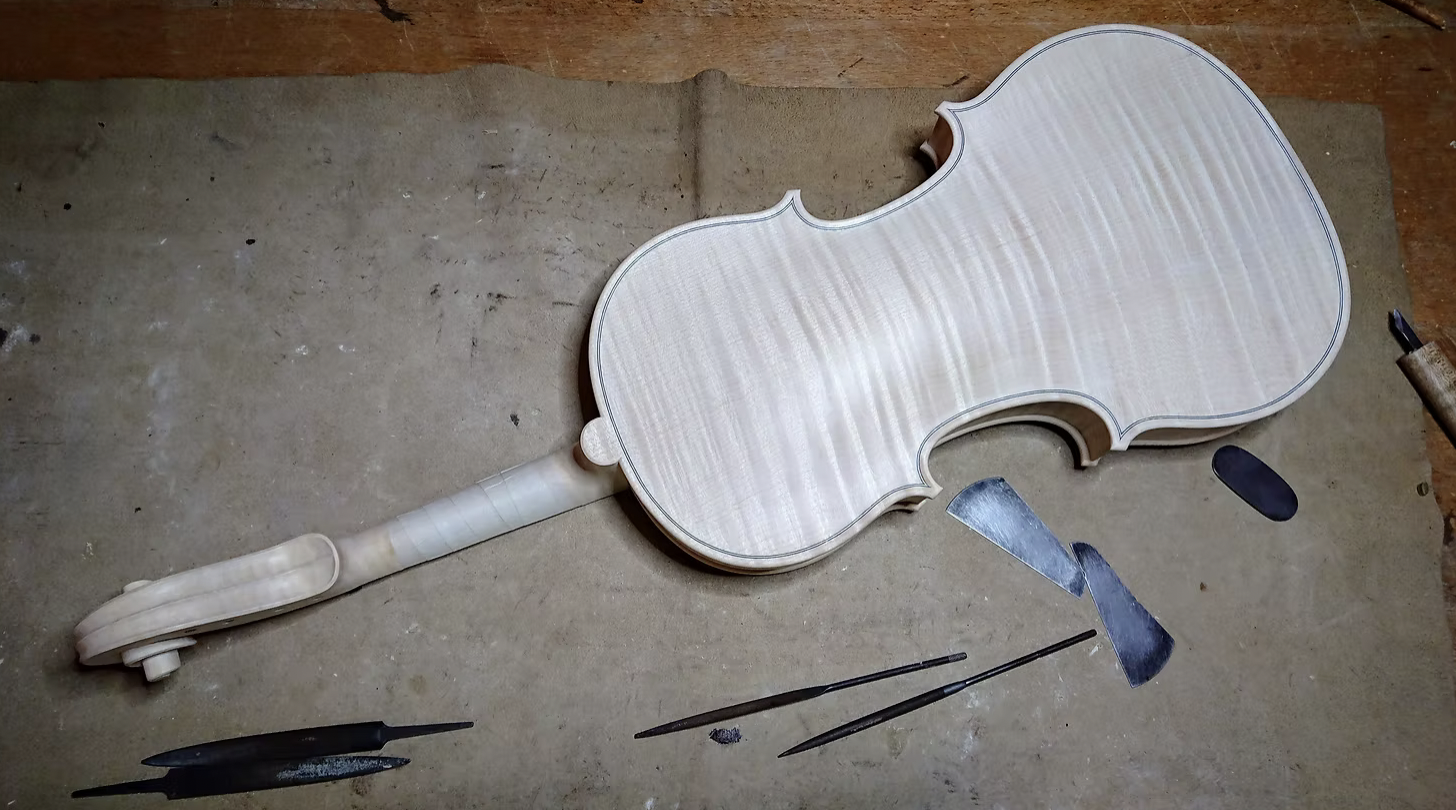
One of the most remarkable qualities of traditional violin making is that the instrument is designed to be maintained.
Hide glue, used throughout the construction, creates strong joints but can also be released when necessary by an experienced violin maker.
This allows the instrument to be opened and repaired without destroying its identity.
Cracks can be restored. Worn components can be replaced. Setup can be adjusted as the instrument changes.
This repairability is one of the reasons a well-made violin can survive for generations.
An instrument with more than one lifetime
When I finish a violin, viola or cello in Cremona, I know that its real history is only beginning.
It may belong to one musician for decades and later pass to another player, another generation or another country.
Each musician will leave something behind: wear, memories, adjustments, and perhaps even a change in the way the instrument responds.
This is one of the qualities I value most in contemporary violin making.
A new instrument does not come without history.
It comes with a history still to be written.
Watch how contemporary instruments evolve
In this video, I compare two handmade violins from my Cremona workshop and discuss how new instruments can continue to develop through playing and time.
Watch the video: Two Contemporary Violins from Cremona
Made today, for the future
Choosing a handmade violin is very different from buying an object designed to become obsolete.
You are choosing something that can be played, maintained, repaired and eventually passed on.
No one can know exactly where an instrument made today will be in two hundred years.
But if it is built with good materials, careful craftsmanship and the possibility of future maintenance, there is every reason to make it with that horizon in mind.
For me, that is one of the most beautiful ideas behind Cremonese violin making:
to build an instrument for the musician of today, while knowing that its story may continue far beyond us.