Cremona Violin Maker: Where Tradition Becomes Sound
There is a moment, late in the evening, when the workshop becomes silent.
The tools rest on the bench, the scent of spruce and maple remains in the air, and an unfinished violin waits for the next stage of its journey.
This is where a handmade violin begins its life in Cremona.
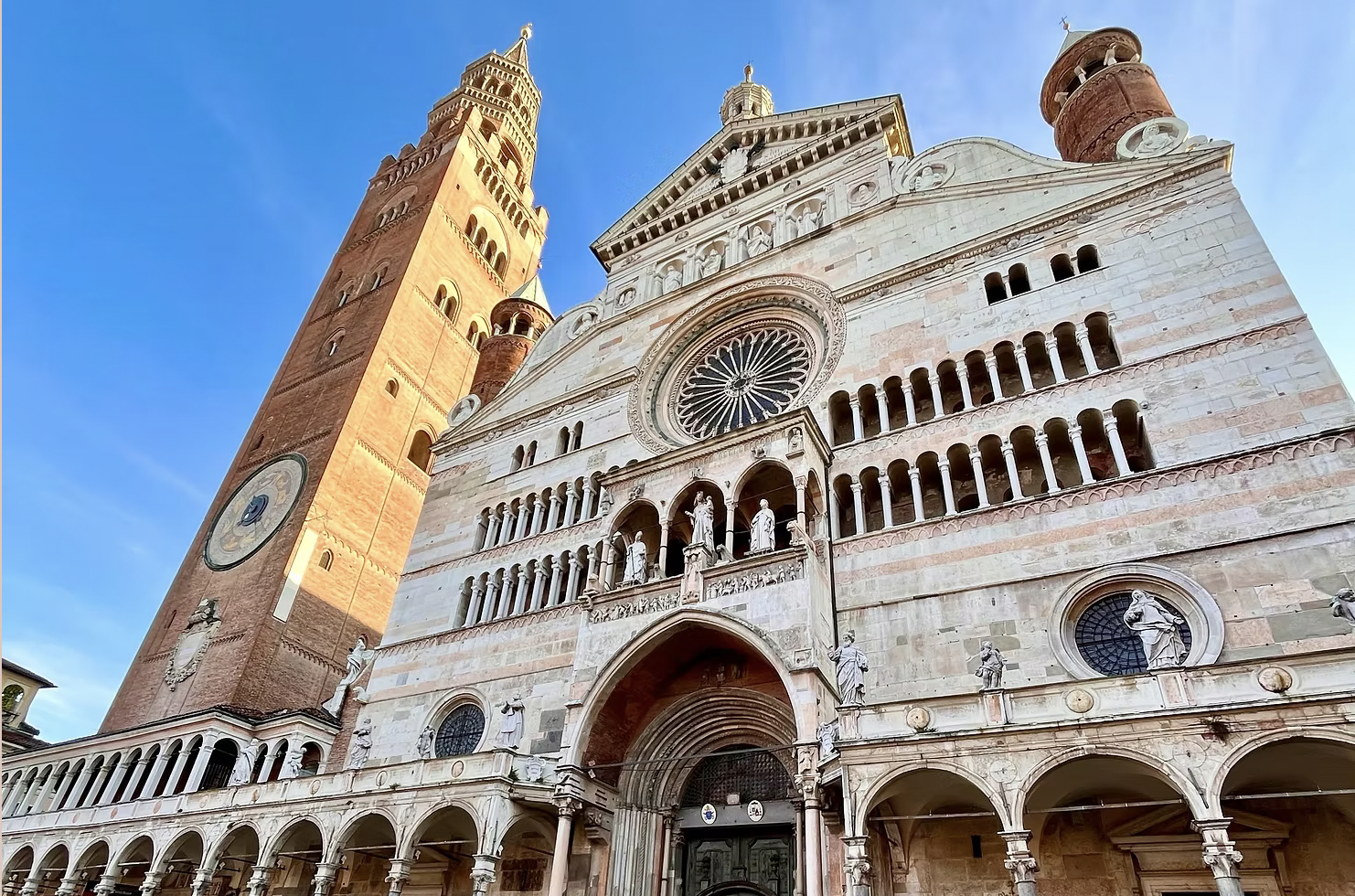
To work as a violin maker in this city means living alongside a tradition shaped by Amati, Antonio Stradivari and Giuseppe Guarneri del Gesù — makers whose instruments still influence the way we think about violin making today.
But Cremona is not only a place of history.
It is still a city where new instruments are made every day.
A living tradition
The classical Cremonese instruments remain an extraordinary source of study.
Their proportions, arching, construction and varnish continue to offer lessons centuries after they were made.
For me, however, tradition does not mean reproducing the past exactly.
It means understanding its principles and using them to create instruments for musicians today.
Every violin, viola and cello I make begins from that balance between historical knowledge and personal interpretation.
It begins with the wood
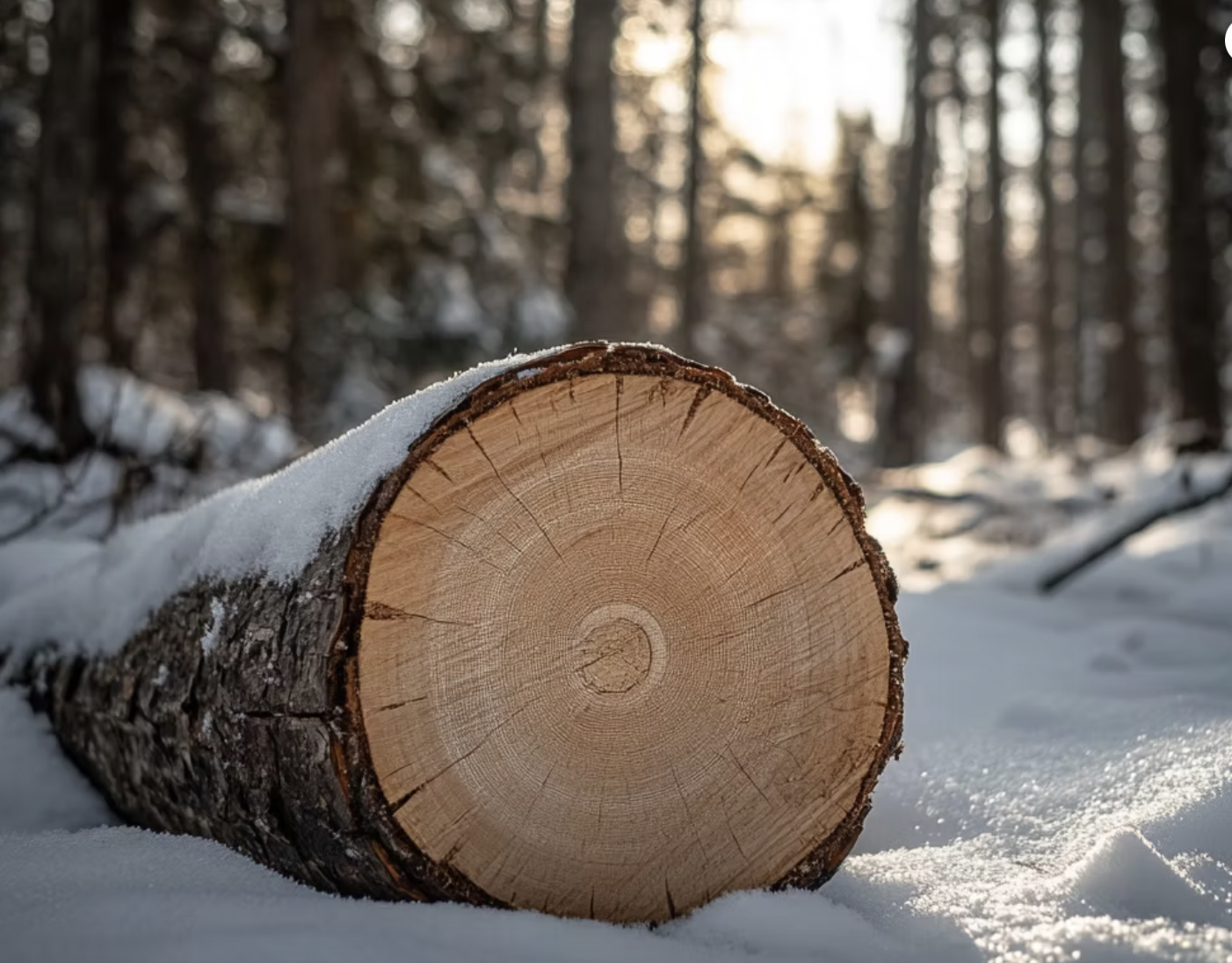
Before the first cut is made, there is the choice of material.
For the soundboard, I mainly use resonance spruce, often from Val di Fiemme in the Italian Alps. For the back, ribs and neck, I select maple for both its mechanical properties and the beauty of its figure.
No two pieces of wood are identical.
Density, stiffness, grain and elasticity vary, and those differences influence the decisions that follow.
The maker’s task is not simply to follow measurements, but to understand the material in front of him.
From wood to sound
The arching is carved by hand, the thicknesses refined gradually, the bass bar fitted to the individual soundboard and the scroll shaped one instrument at a time.
Even when I work from the same historical model, the result is never exactly the same.
Every piece of wood responds differently, and every instrument develops its own character.
The varnish adds another layer to this process.
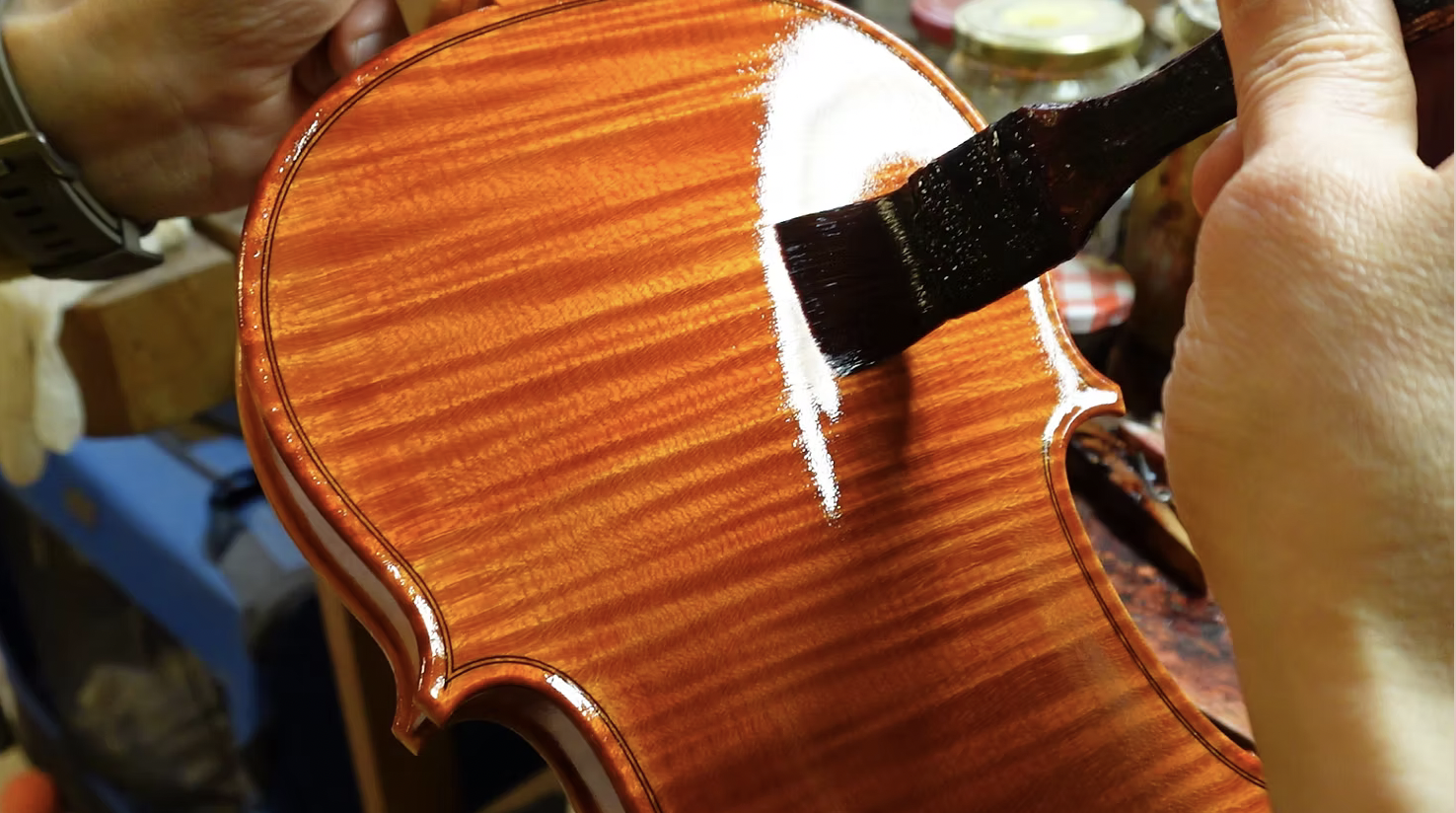
It must protect the wood while preserving its ability to vibrate, and it also gives the instrument its visual identity.
For me, sound and appearance should never be separated completely: they are both part of the same instrument.
A violin is not finished when it leaves the bench
One of the most fascinating aspects of a contemporary handmade violin is that its story is only beginning when construction is complete.
The instrument already has its own voice, but that voice continues to evolve through playing, adjustment and time.
The musician gradually learns the violin, and the violin becomes increasingly connected to the musician.
This is also why the relationship between maker and player matters.
An instrument can return to the workshop for adjustment, maintenance and fine acoustic work as it develops.
Watch two contemporary Cremona violins
In this video, you can hear two violins made in my workshop, inspired by different classical Cremonese models.
Watch the comparison between two handmade Cremona violins
The comparison shows something I find particularly important: classical models provide a foundation, but every new instrument can still develop a voice of its own.
Where tradition becomes sound
Cremona’s greatest legacy is not only the instruments preserved from the past.
It is the continuation of the craft itself.
Every new violin made here becomes part of that story, while beginning another one in the hands of a musician.
For me, this is the meaning of contemporary Cremonese violin making:
to learn from the past without being confined by it, and to transform that knowledge into a new sound.