Val di Fiemme: In Search of Spruce for Violin Making
During the Milano Cortina 2026 Winter Olympics, Val di Fiemme became known around the world as one of the stages for international winter sport.
For me, however, this valley has a very different significance.
I come here in search of one of the most important materials in violin making: resonance spruce.
From my workshop in Cremona, the story of a new violin often begins much earlier — among the forests of the Italian Alps.
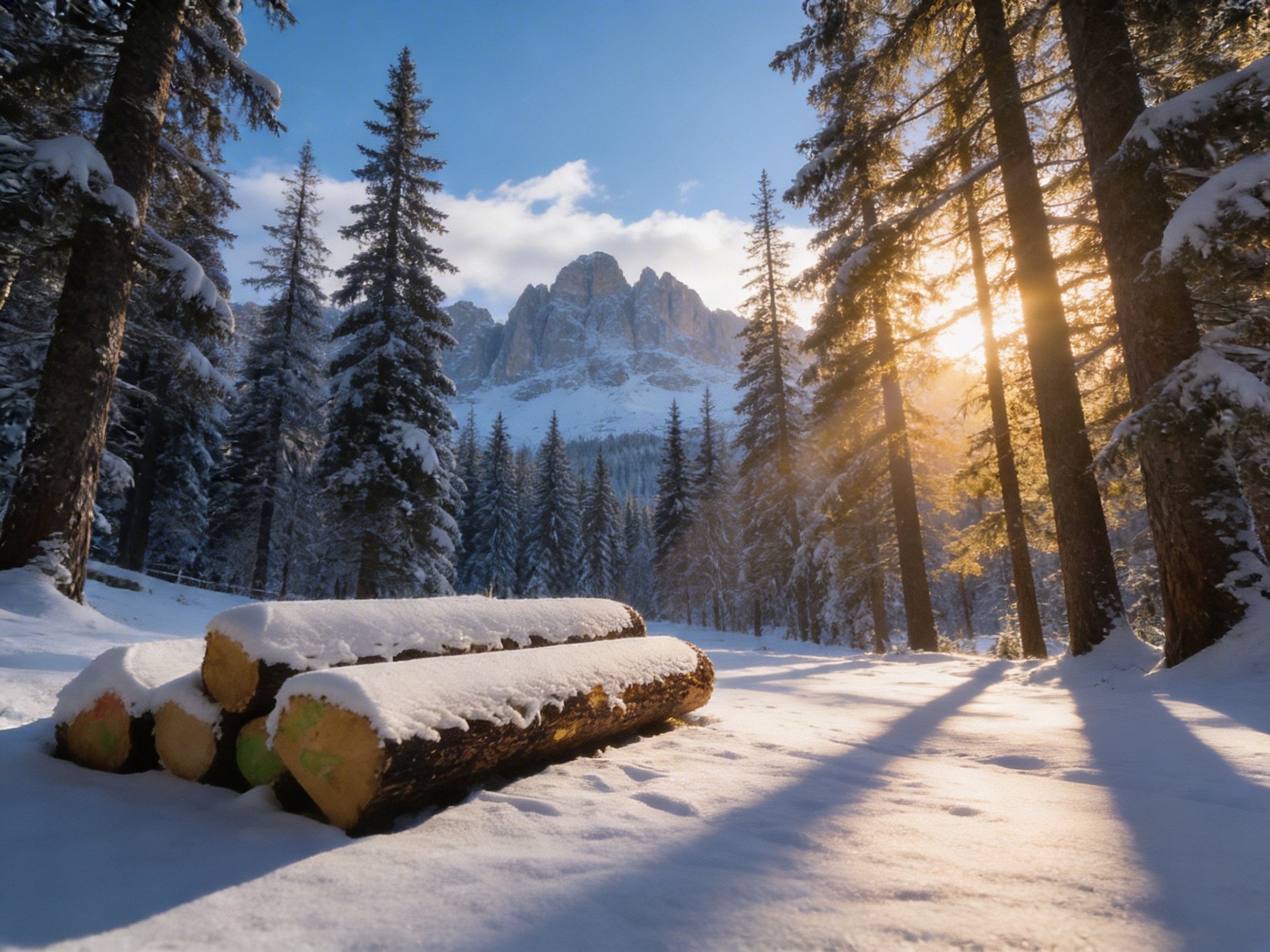
Why Val di Fiemme spruce?
Val di Fiemme has a long tradition of producing high-quality spruce for musical instruments.
The European spruce (Picea abies) that grows in these mountain forests can develop the combination of properties violin makers look for: low weight, stiffness, elasticity and regular grain.
These characteristics make selected spruce particularly suitable for the soundboards of violins, violas and cellos.
Antonio Stradivari himself sourced wood from this valley, and Val di Fiemme has remained closely associated with the tradition of fine Italian violin making ever since.
But the name of the forest alone is never enough.
Even trees grown in the same area can produce very different wood.
Choosing the wood personally
Whenever possible, I like to visit Val di Fiemme and select the material myself.
I look at the straightness and regularity of the grain, the radial cut, weight and stiffness, but I also pay attention to the general character of each piece.
Selecting tonewood is not simply a question of finding beautiful wood.
It is about trying to understand its potential before the first shaving has even been removed.
Watch the video: Selecting Violin Tonewood in Val di Fiemme
The video shows the environment where some of the spruce I use begins its journey before eventually reaching my workshop in Cremona.
From the forest to the workbench
After selection, the wood must season naturally before it can become part of an instrument.
Only then does the real dialogue with the material begin.
The arching and thicknesses of a soundboard cannot simply be repeated according to a fixed formula. Density, stiffness and weight vary from one piece to another, and the construction must respond to those differences.
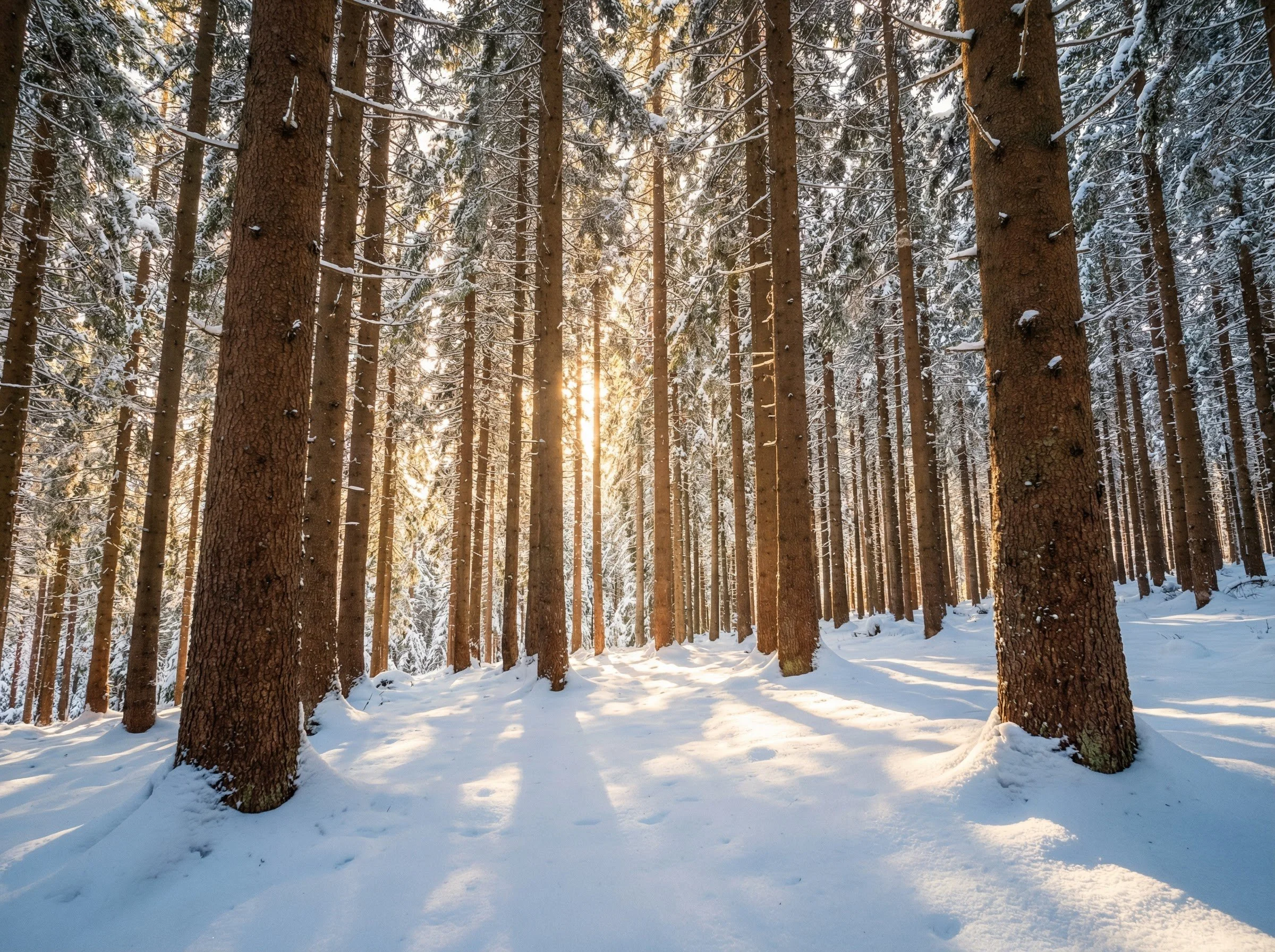
This is one of the aspects I find most fascinating about making contemporary instruments.
The forest provides the raw potential, but the maker has to understand how to use it.
Every violin begins before the workbench
When I return to Val di Fiemme, I am reminded that the sound of a violin begins long before the instrument has a shape.
It begins with a tree, its growth, the forest where it stood, and the decision to select one particular piece of wood rather than another.
Years later, that spruce may become the soundboard of a violin played by a musician thousands of kilometres away.
That connection — from a mountain forest to a workbench in Cremona and finally to the hands of a musician — is one of the quiet but extraordinary stories behind every handmade instrument.