Can a Contemporary Cremona Violin Be an Investment?
From my workshop in Cremona, I am sometimes asked a question that goes beyond sound and craftsmanship:
Can a contemporary violin, viola or cello also be considered an investment?
Potentially, yes — although no maker can honestly guarantee how the market value of an instrument will develop in the future.
A fine contemporary instrument can be acquired for many reasons: to be played, collected, passed on to the next generation, or simply because the owner values the work of a particular maker.
In some cases, these different forms of value can grow together over time.
Why some contemporary instruments become more valuable
The future value of a handmade instrument is rarely determined by one factor alone.
The quality of the instrument itself is essential: materials, workmanship, sound, condition and consistency of the maker’s production all matter.
But the professional history of the maker can also become increasingly important.
Training, international recognition, competition results, instruments played by musicians in different countries, a recognisable personal style and limited annual production can all contribute to reputation and demand over time.
A violin is therefore not simply “modern”. It has an identifiable author, a place of origin and a precise position within that maker’s career.
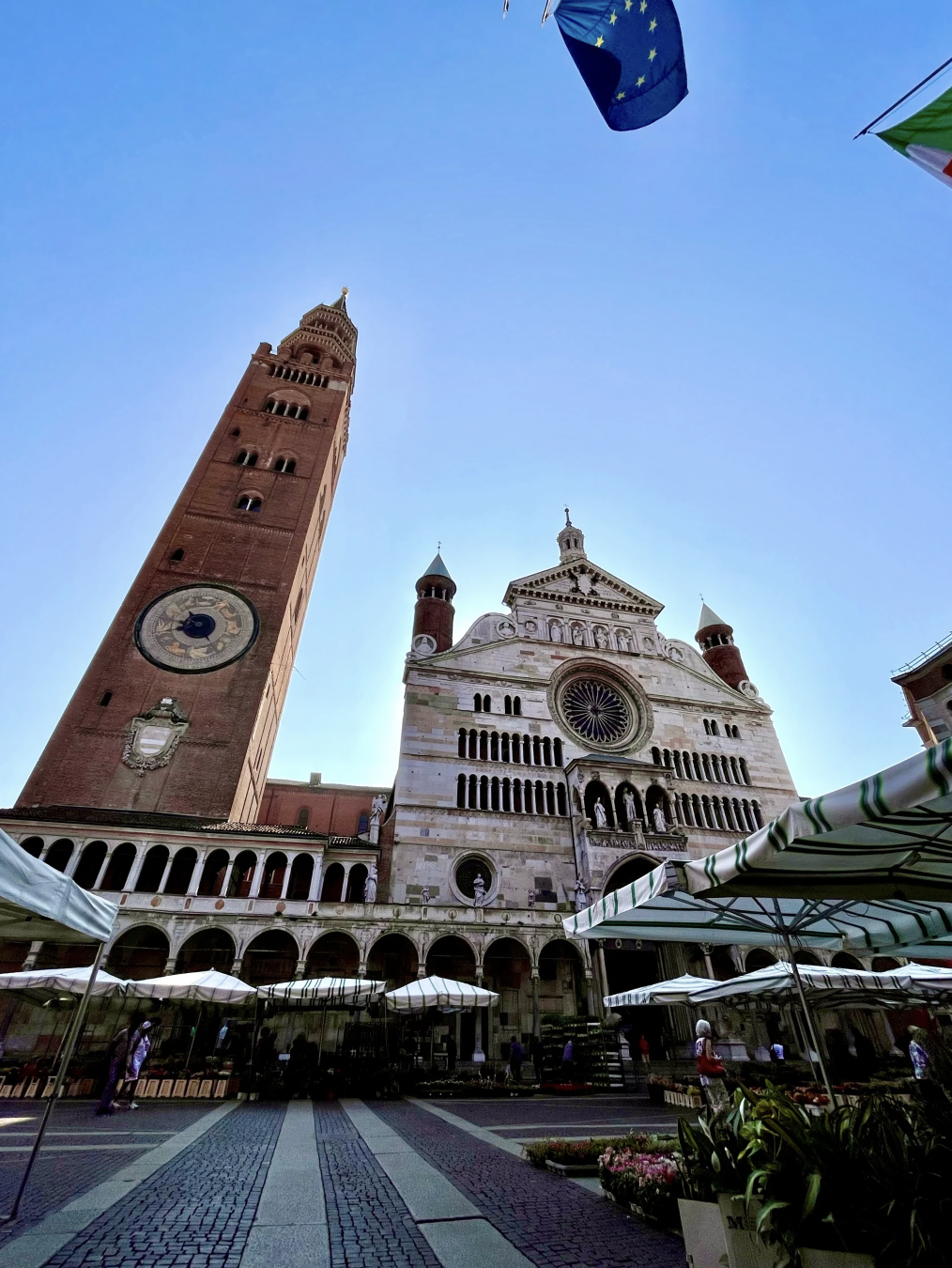
Cremona, reputation and continuity
Cremona has been associated with violin making for centuries through the work of Amati, Stradivari and Guarneri.
That historical reputation does not automatically give value to every instrument made here today. What matters is the quality and identity of the individual maker.
Training at a recognised violin-making school and apprenticeship with established masters can help place a contemporary maker’s work within a broader professional context.
Over the years, contemporary instruments have also received awards and recognition at international violin-making competitions.
For a musician or collector evaluating contemporary work, factors such as training, professional continuity, independent recognition and the consistency of a maker’s work can help place an instrument within a broader context.
Reputation develops over time
The market for contemporary instruments is closely connected to reputation.
A maker who develops a recognisable style, produces consistently strong instruments and gradually builds demand among musicians and collectors may see earlier instruments become increasingly sought after.
Limited production also matters.
A handmade violin maker can produce only a small number of instruments each year. If demand increases while the number of available instruments remains naturally restricted, this can influence their secondary-market value.
None of this guarantees appreciation.
But it explains why the identity and career of the maker can be just as important as the age of the instrument.
Provenance and documentation
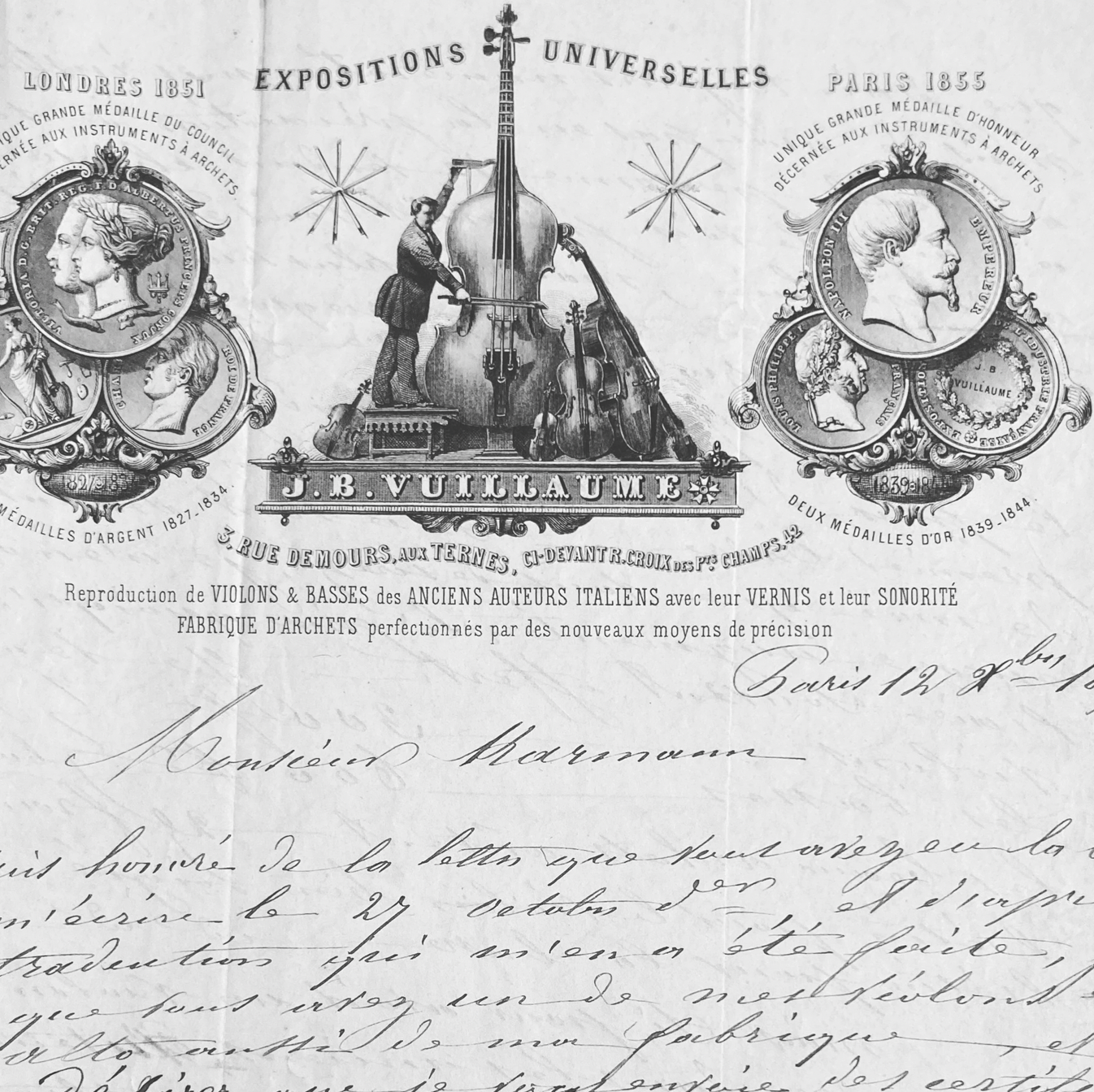
For contemporary instruments, one major advantage is that their history can be documented from the beginning.
Certificates, photographs, competition records, maintenance history and direct contact with the maker can create clear provenance.
Over decades, this documentation may become increasingly important.
An instrument made today can eventually acquire its own history: the musicians who played it, the concerts in which it appeared, exhibitions, competitions, restorations and changes of ownership.
In this sense, collectors are not only buying an object.
They may also be acquiring the beginning of a documented story.
More than one kind of value
A contemporary violin can therefore be appreciated in several ways.
For a musician, its greatest value may be sound and response.
For a collector, it may be the work of a particular maker, the rarity of an early period or an important model.
For another owner, it may be the idea of preserving a fine handmade object and eventually passing it to another generation.
And in some cases, financial value may develop alongside all of these.
This is why I prefer to think of a fine contemporary Cremona instrument not simply as a financial investment, but as a musical, artistic and cultural asset whose history is still being written.
Its future market value cannot be promised.
But choosing carefully — considering the quality of the instrument, the identity and career of the maker, provenance and long-term demand — can make the decision far more meaningful than simply asking whether an instrument is old or new.