Stradivari or Guarneri? A Modern Comparison from Cremona
From my workshop in Cremona, I recently explored one of the most fascinating comparisons in violin making: Stradivari versus Guarneri del Gesù.
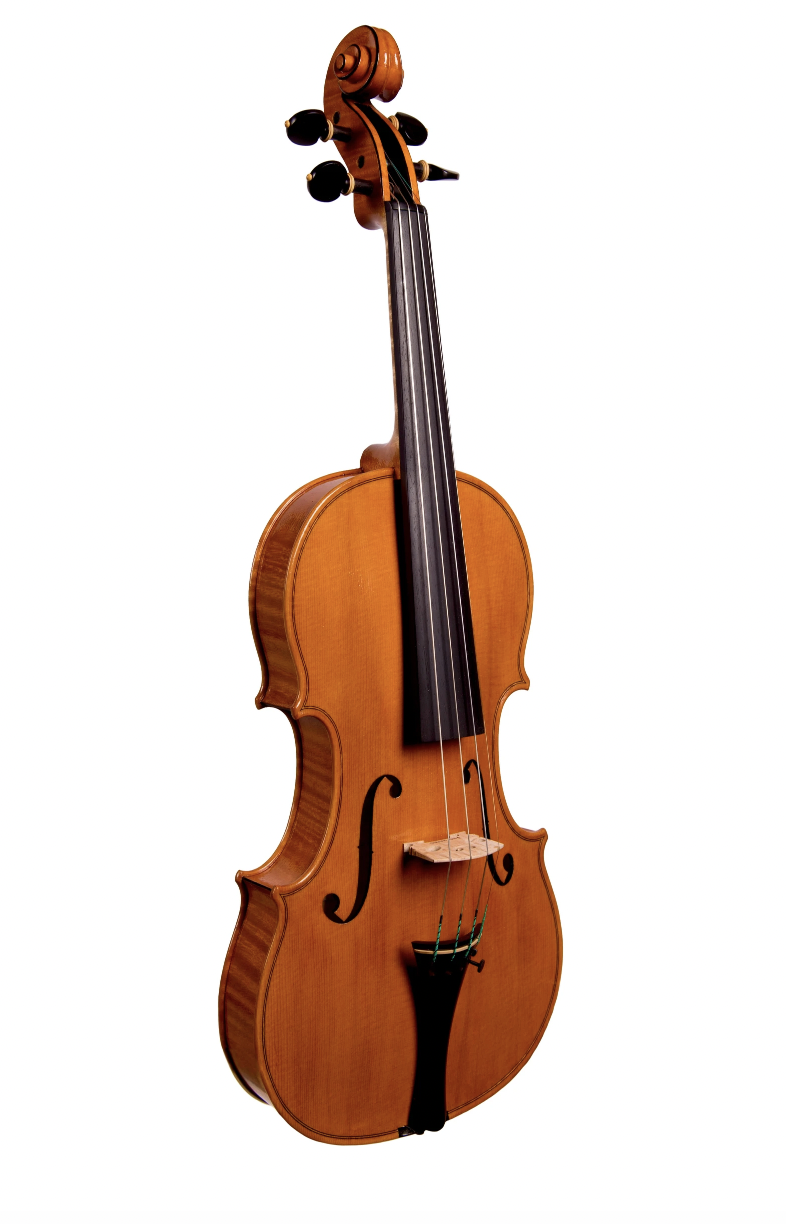
For this experiment, I used two contemporary violins I made myself, inspired respectively by the Stradivari 1716 “Oppenheim” and the Guarneri del Gesù 1743 “Ex Brusilow”.
Both instruments were built as new violins, without antiquing. My aim was not to reproduce the appearance of an old instrument, but to interpret two great Cremonese models through my own work and sound concept.
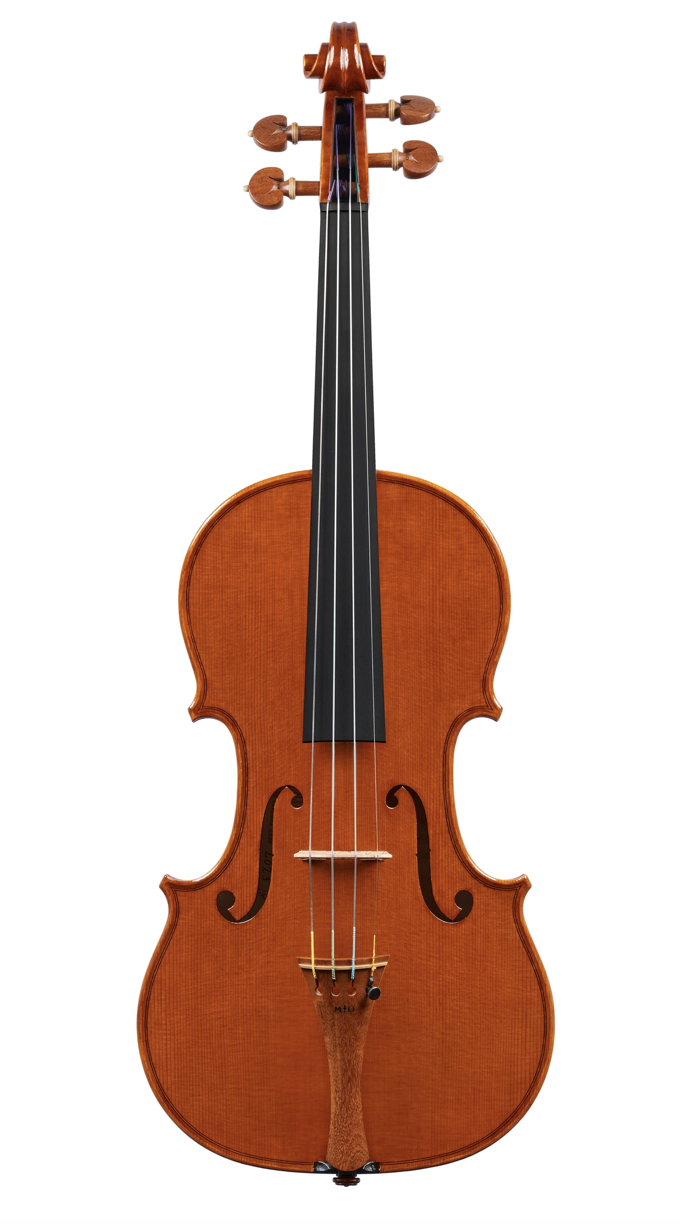
Stradivari 1716 “Oppenheim”,
Guarneri del Gesù 1743 “Ex Brusilow”.
Two models, two different personalities
Although both violins belong to the classical Cremonese tradition, their character is clearly different.
The Stradivari model showed a more focused, clear and brilliant response, particularly in the upper register.
The Guarneri model offered a broader, darker and richer tonal character, with a particularly attractive depth in the lower register.
These differences do not mean that one model is objectively better than the other.
They show how much the choice of model can influence the personality of a contemporary violin.
The sound of a new instrument is not static
One of the most interesting aspects of making new instruments is hearing how they evolve.
A newly completed violin already has its own acoustic identity, but that identity continues to develop through playing, adjustment and time.
For this reason, I prefer not to judge a new violin only by its first impression.
What matters is not simply how it sounds today, but also the potential it reveals.
What did listeners prefer?
The comparison produced very different reactions.
Many listeners were immediately attracted to the deeper and more powerful character of the Guarneri model, while others appreciated the clarity and future potential of the Stradivari.
For me, that difference in opinion was one of the most interesting results.
There is no universal “best sound”.
The right instrument depends on the musician, the repertoire, the playing style and the kind of response the player is looking for.
Watch the sound comparison
I recorded the two violins so that you can hear the comparison directly.
Watch the video: Stradivari vs Guarneri — Two Contemporary Violins from Cremona
Listening through a recording can never replace playing an instrument in person, but it offers an interesting way to hear how two historical models can lead to very different contemporary voices.
For me, this is what makes modern violin making so fascinating: the great instruments of the past provide the foundation, but every new violin still has the possibility to develop a voice of its own.