Old or Modern Violin? What to Know Before You Choose
When musicians visit my workshop in Cremona, one question comes up again and again:
Should I choose an old violin or a modern one?
There is no universal answer. A fine old violin can offer history, character and a mature personality. A contemporary handmade violin offers something different: reliability, direct contact with the maker and the possibility of beginning a new musical history together.
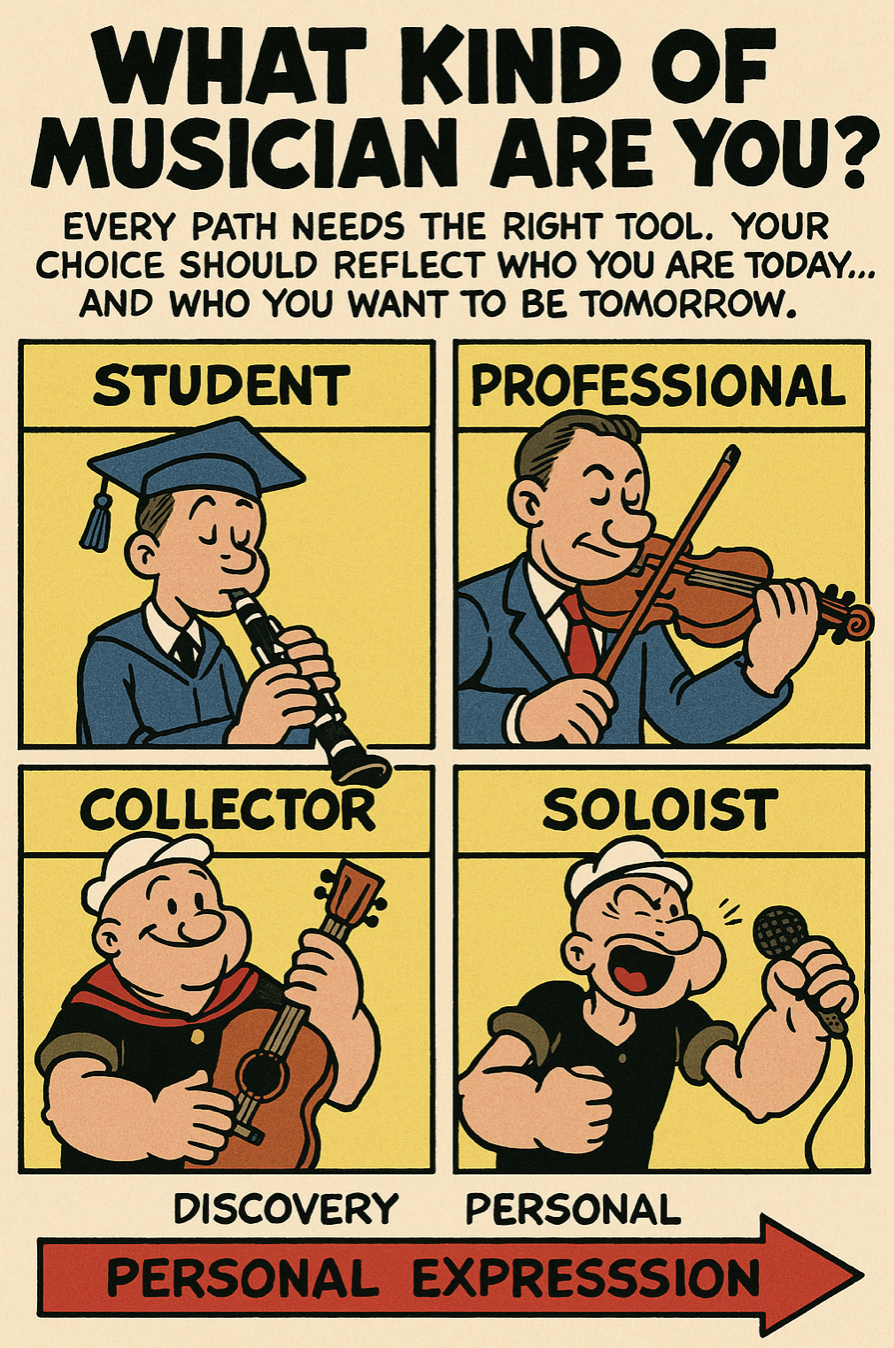
The important thing is not simply whether the violin is old or new.
It is whether the instrument gives you the sound, response and freedom you are looking for.
The attraction of an old violin
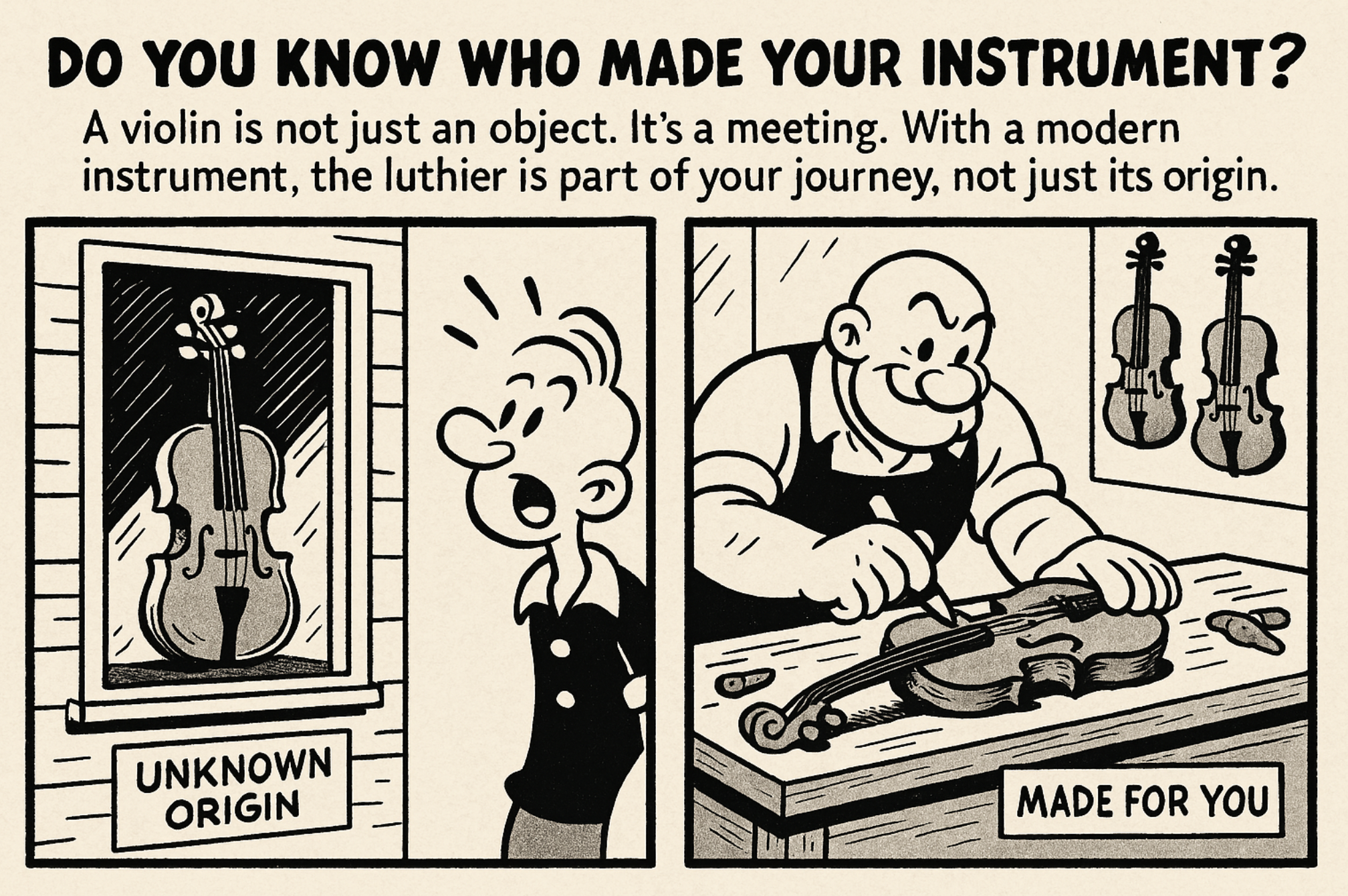
Old violins can be fascinating.
They may carry decades or centuries of musical history, natural wear and a character that has developed through time.
But age alone is not a guarantee of quality.
An older instrument may also have undergone repairs, structural changes or restoration, so its present condition is always important. Two violins of the same age can be completely different in sound, response and reliability.
For this reason, an old violin should be judged as an individual instrument, not simply by its date.
What a modern violin can offer
A contemporary handmade violin starts from a different position.
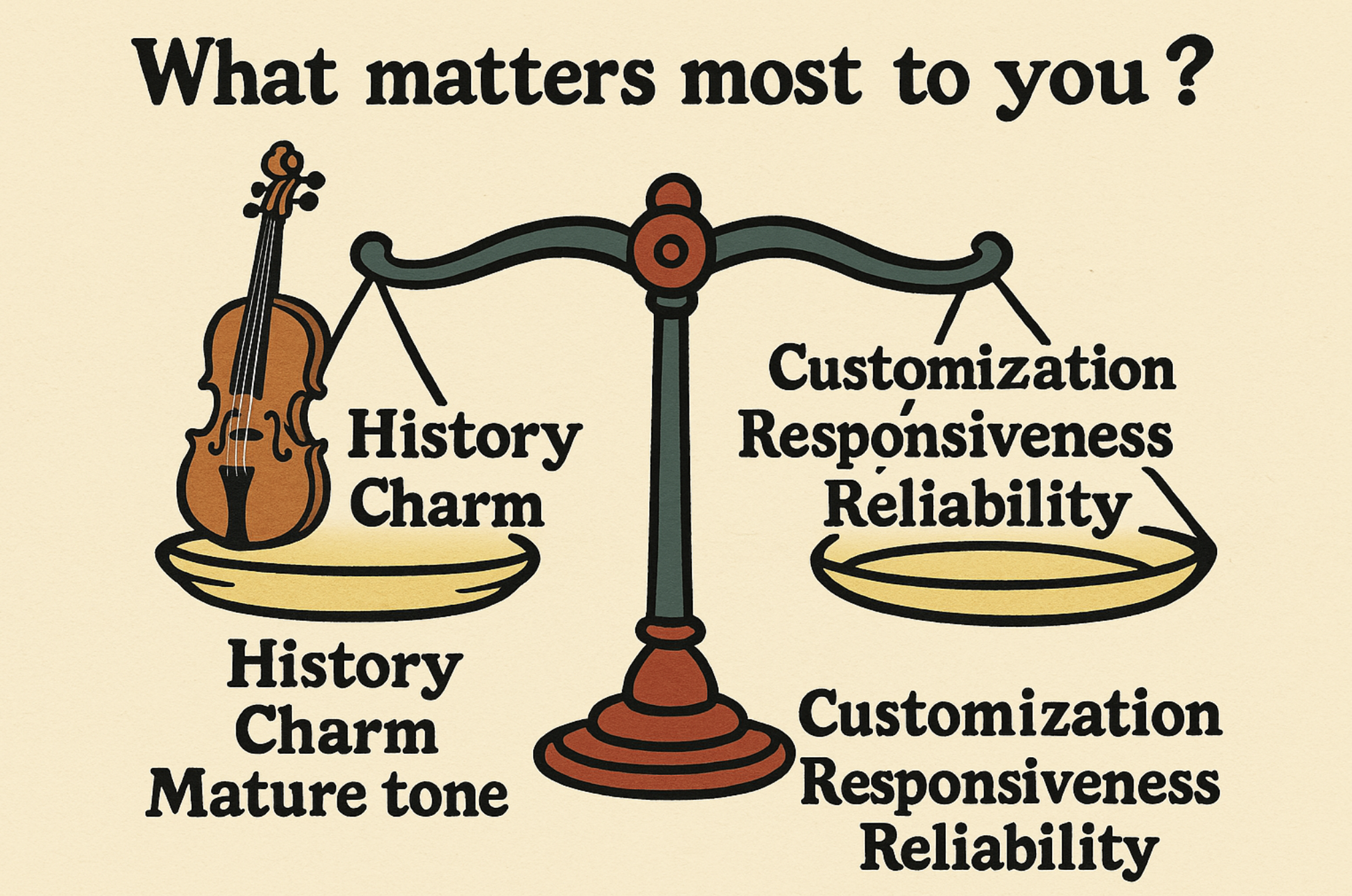
There are no unknown repairs or previous alterations, and the maker knows exactly how the instrument was conceived and built.
There is also the possibility of dialogue.
When I make a violin in Cremona, I can take into account the player’s tonal preferences, response under the bow, model and certain aesthetic choices.
And after delivery, that relationship can continue through adjustment and maintenance as the instrument develops.
For many musicians, this direct connection with the maker is one of the greatest advantages of choosing a new instrument.
A new violin is not a finished story
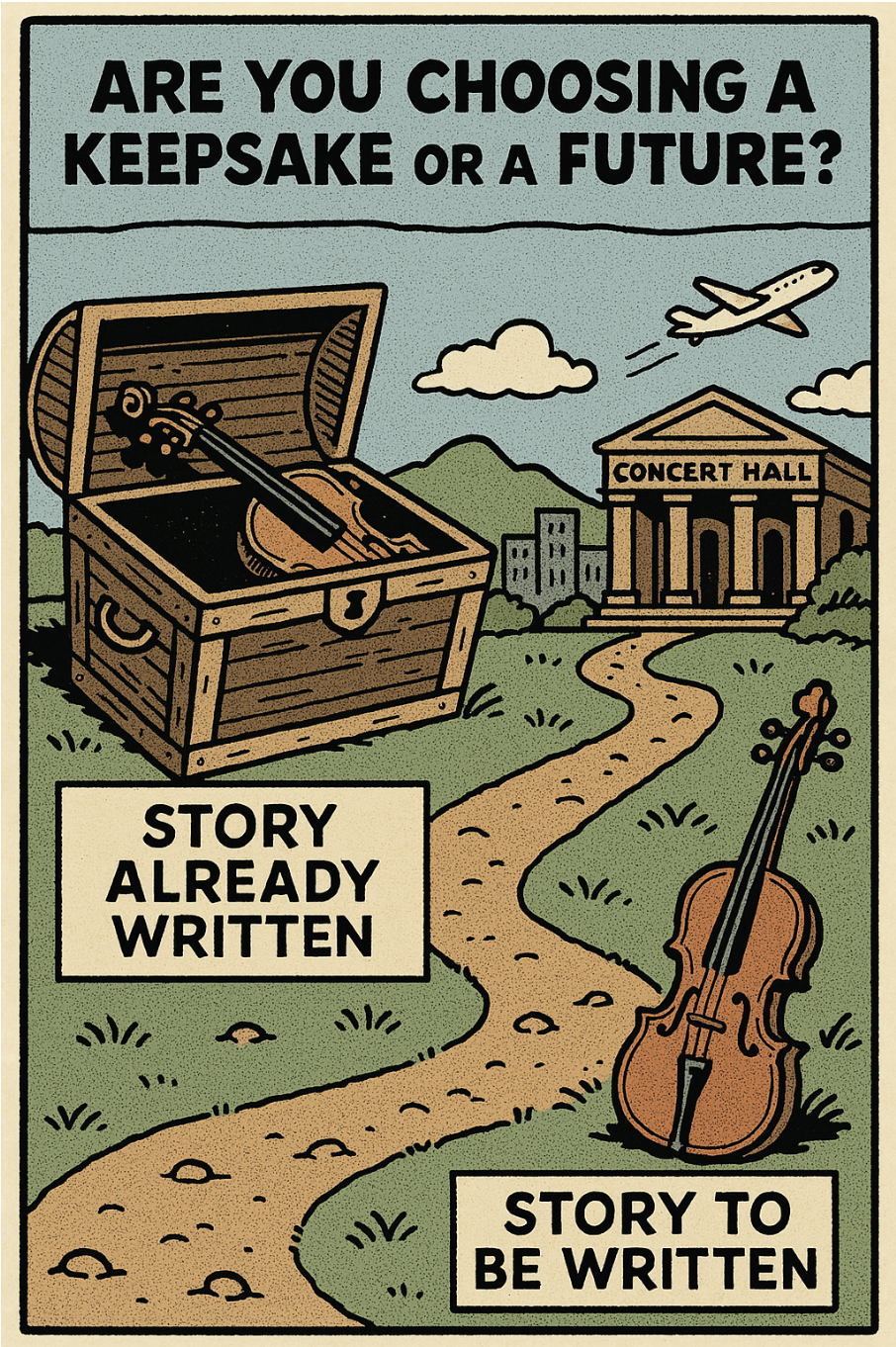
One of the things I find most interesting about contemporary instruments is that their history has not yet been written.
Although a new instrument already has its own acoustic character, it continues to evolve through playing and careful adjustment.
The musician learns the instrument, and the instrument gradually becomes part of the musician’s own voice.
This is very different from inheriting the history of an old violin.
With a contemporary instrument, you have the opportunity to create that history yourself.
So which should you choose?
If history, rarity and the fascination of the past are important to you, an old violin may be the right choice.
If you value reliability, personalisation, direct support from the maker and the possibility of growing together with an instrument, a contemporary handmade violin deserves serious consideration.
In the end, the best violin is the one that feels natural in your hands and allows you to express your musical ideas freely.
For me, that is the real purpose of violin making: not to recreate the past, but to give a musician a voice for the present.