The Soundpost: A Small Detail That Shapes a Violin’s Voice
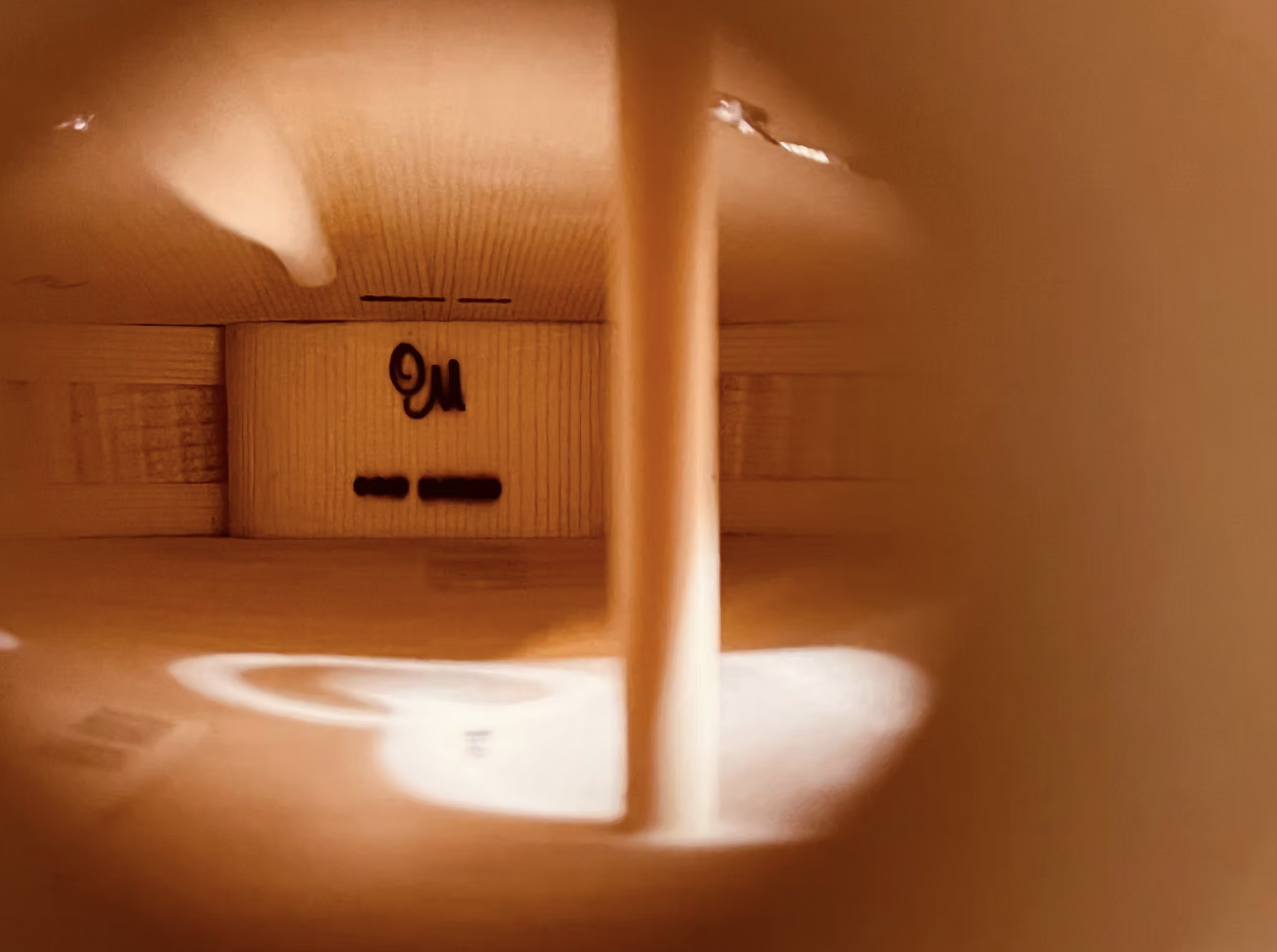
From my workshop in Cremona, today I would like to focus on one of the smallest but most influential parts of a violin: the soundpost.
In Italian, it is called anima — “the soul”. Hidden inside the instrument, between the top and the back, this small piece of spruce plays an important role in the way a violin responds and projects its sound.
What does the soundpost do?
The soundpost is positioned close to the treble foot of the bridge.
It helps transmit and control vibrations between the top and back plates, influencing balance, clarity, projection and response.
Even a very small change in position can noticeably alter the character of the instrument. But there is no universal “perfect” position: every violin reacts differently.
The model, arching, thicknesses, bridge, strings and setup all interact with the soundpost.
This is why adjustment requires experience and careful listening rather than a fixed formula.
Material and fit matter
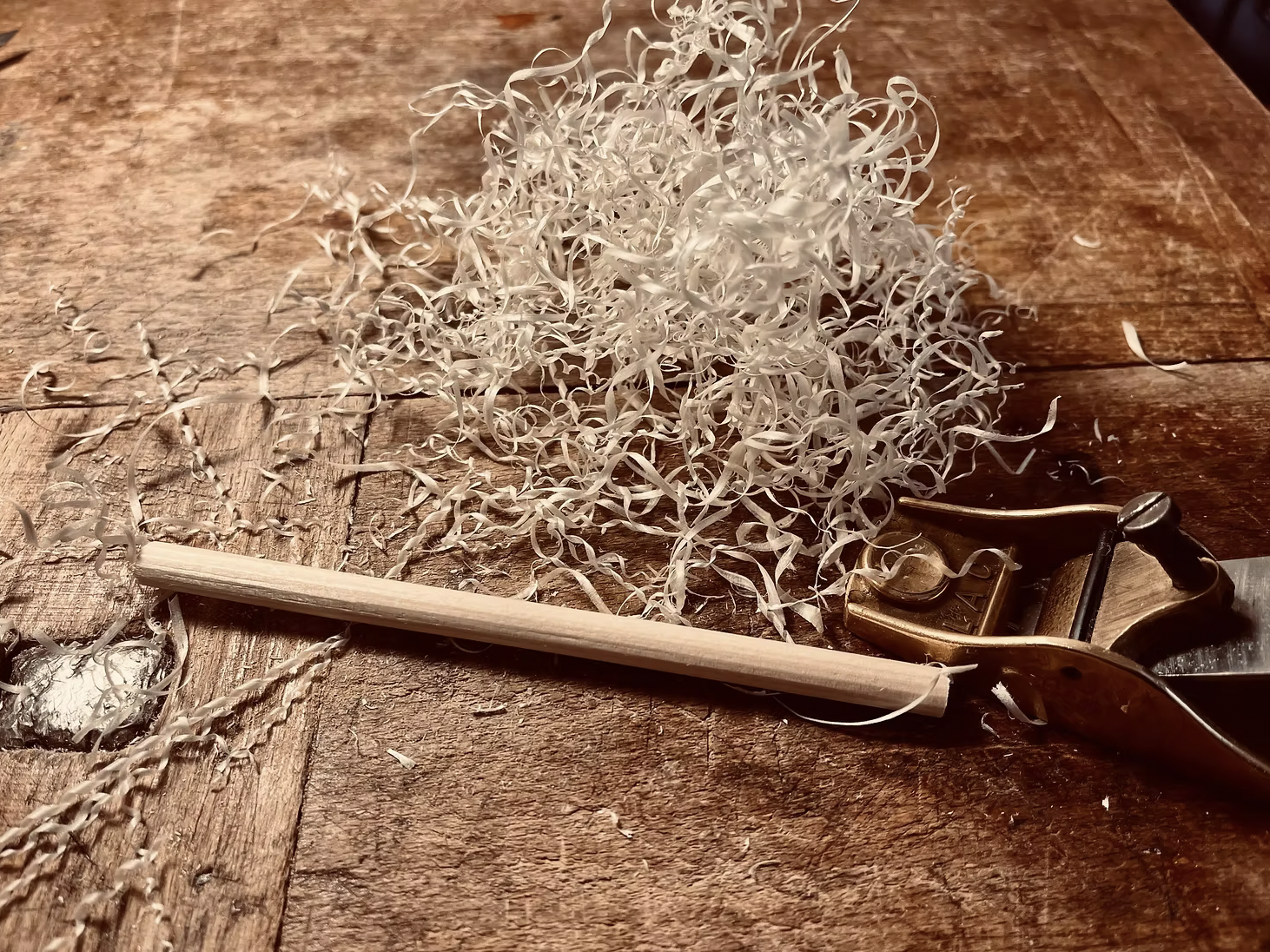
For my instruments, I prepare the soundpost myself using carefully selected split spruce.
Its fit against the inside surfaces of the top and back must be precise. The stiffness, grain and mechanical properties of the wood also influence how the soundpost behaves.
Whenever possible, I like to choose spruce that works naturally with the soundboard of the instrument.
The final adjustment
The soundpost is one of the most important elements in the final acoustic adjustment of a violin, viola or cello.
At this stage, I listen for balance between the strings, ease of response, projection and tonal colour.
The objective is not simply to make the instrument louder, but to help it respond freely and reveal its own character.
The soundpost cannot create a great instrument by itself.
But when it is properly made, fitted and positioned, it can help the entire instrument work more naturally as one.