Resonance Spruce: Why It Matters in Violin Making
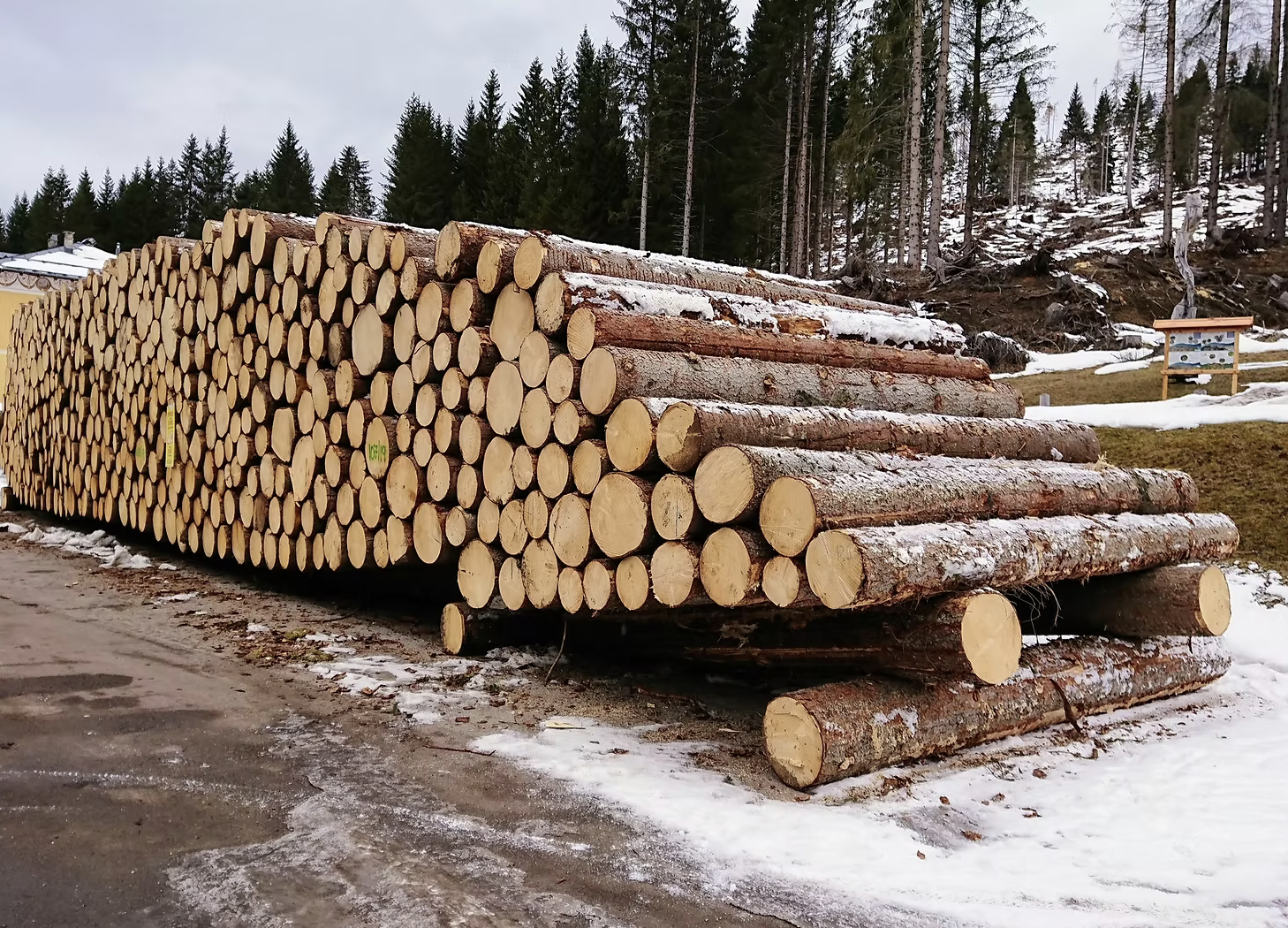
From my workshop in Cremona, I would like to take you into one of the most important choices in violin making: the wood used for the soundboard.
Among the materials traditionally used for violins, violas and cellos, resonance spruce has a special place. Its lightness, elasticity and strength make it particularly suitable for transforming the vibration of the strings into sound.
What is resonance spruce?
Resonance spruce is selected from trees that have grown slowly and evenly in mountain forests, often at high altitude.
In Italy, some of the best-known areas are Val di Fiemme, Paneveggio, Latemar and Tarvisio, regions with a long tradition of supplying tonewood for musical instruments.
The most interesting wood usually comes from mature trees with straight grain, regular growth rings and no major defects such as knots, twists or reaction wood.
Only a relatively small part of a log may meet the standards required for high-level violin making.
Why is spruce ideal for a soundboard?
A violin soundboard must be light enough to vibrate freely, but strong enough to withstand the continuous pressure of the bridge and strings.
This balance is one of the reasons spruce has been used for centuries.
Good resonance spruce combines:
low weight
high stiffness
elasticity
dimensional stability
an excellent strength-to-weight ratio
These properties help the top plate respond quickly and efficiently to the energy transmitted by the strings.
But numbers alone do not tell the whole story.
Two pieces of spruce from the same forest can behave very differently, which is why selection remains such an important part of a violin maker’s work.
How I choose spruce for my instruments
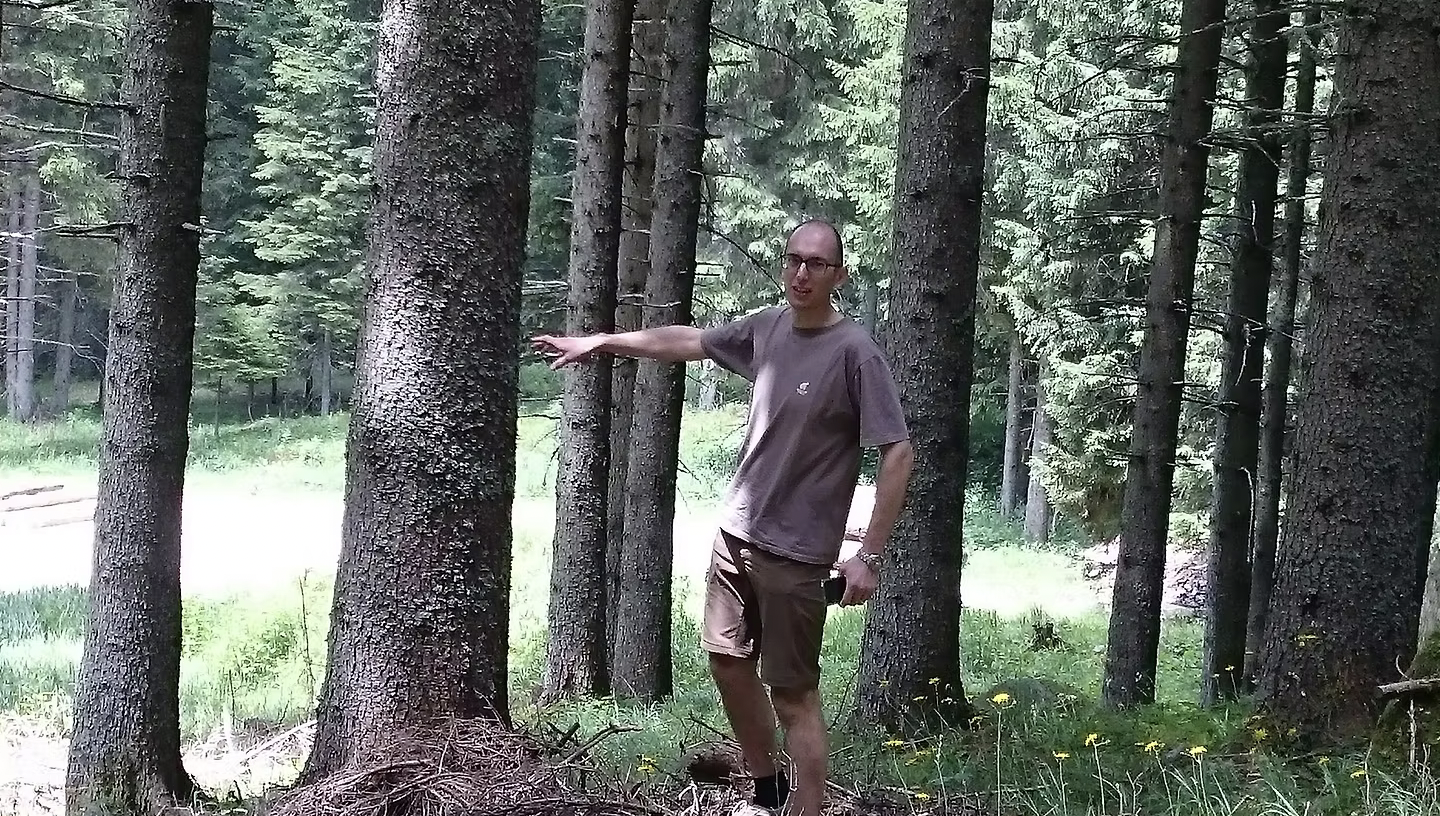
For many years, I have used mainly Val di Fiemme spruce for the soundboards of my violins, violas and cellos.
What I look for is not simply a beautiful piece of wood.
I examine the grain, density, stiffness, weight and overall response of each piece, because every instrument requires a slightly different balance.
Whenever possible, I also like to visit the Paneveggio forest in Val di Fiemme and select freshly cut wood personally.
This allows me to begin thinking about an instrument long before the actual construction starts.
The wood is only the beginning
High-quality spruce does not automatically produce a great-sounding instrument.
Its potential depends on how it is used: the model, arching, thicknesses, bass bar, varnish and setup all influence the final result.
This is where the role of the maker becomes essential.
For me, the aim is to preserve the natural qualities of the wood while shaping them into the sound I am looking for: clarity, projection, responsiveness and warmth.
Every soundboard begins as a piece of spruce.
Only through careful selection and construction does it become the acoustic heart of an instrument.